Digital farming training
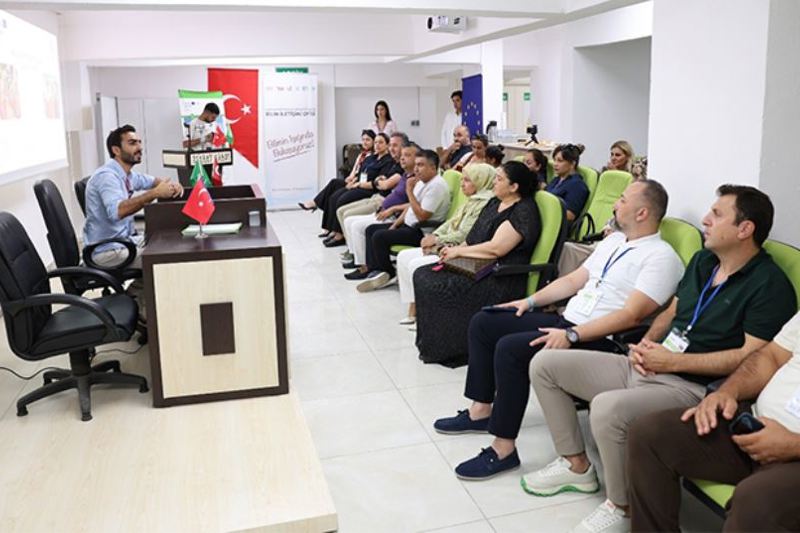
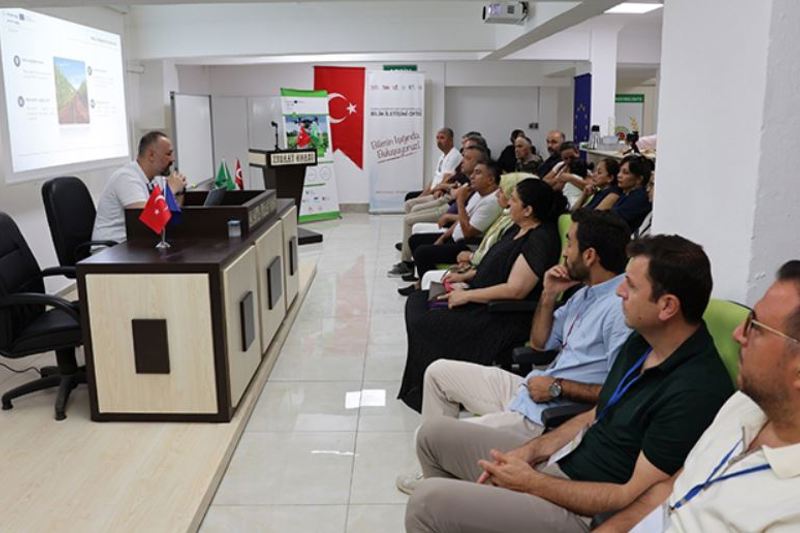
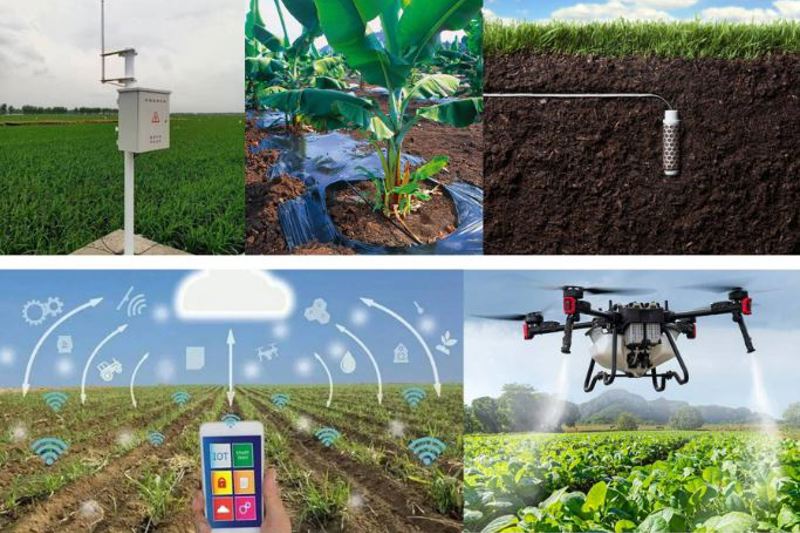
In collaboration with our department and the Alanya Chamber of Agriculture, and with the contribution of the ALKÜ Science Communication Office, a training session titled "Digitalization in Smart Agriculture: Irrigation Methods" was given to farmers in Alanya as part of the SWAMED project, funded by the European Union. The training, which focused on "Digitalization in Smart Agriculture: Irrigation Methods," began with a presentation by Assoc. Prof. Dr. Fırat Arslan. Arslan emphasized the importance of water, explaining irrigation systems using digital methods (artificial intelligence, IoT, automation, etc.), Decision Support Systems (DSS), and the WEFE (water-energy-food-environment) approach. He highlighted the strategic importance of water for the future, underlining that using it efficiently and economically significantly contributes to production and creates a major impetus for water conservation.
Dr. İnayet Hakkı Çizmeci, Assistant Professor at Afyon Kocatepe University Faculty of Engineering, then explained smart agriculture sensors and cost analyses, as well as drones and satellite data in detail. Following the training, participants received certificates of attendance. Speaking at the end of the training, Alanya Chamber of Agriculture President Göktepe stated that the training would significantly benefit farmers by making them more aware of smart autonomous systems. President Göktepe thanked the project team and ALKÜ Rector Prof. Dr. Kenan Ahmet Türkdoğan. Director İhsan İnal also thanked those who contributed to the project and wished it success. The trainings will continue in the coming days with practical field applications for farmers. The first training, conducted with the coordination of the Chamber of Agriculture and the contribution of the ALKÜ Science Communication Office, was attended by Project Coordinator Assoc. Dr. Fırat Arslan, Alanya Chamber of Agriculture President Tahir Göktepe, Alanya District Director of Agriculture and Forestry İhsan İnal, faculty members from the Biosystems Engineering Department, academics, and farmers.